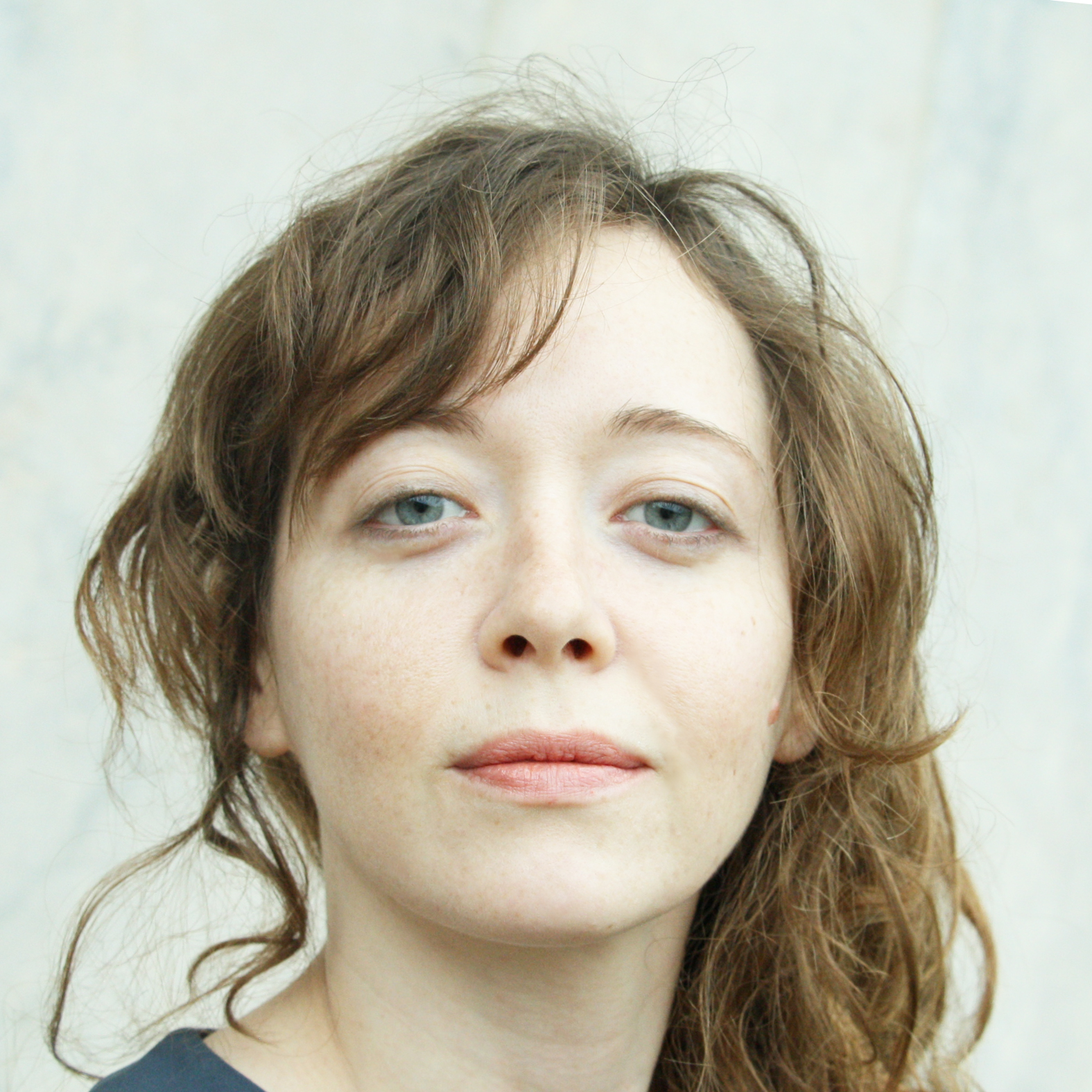
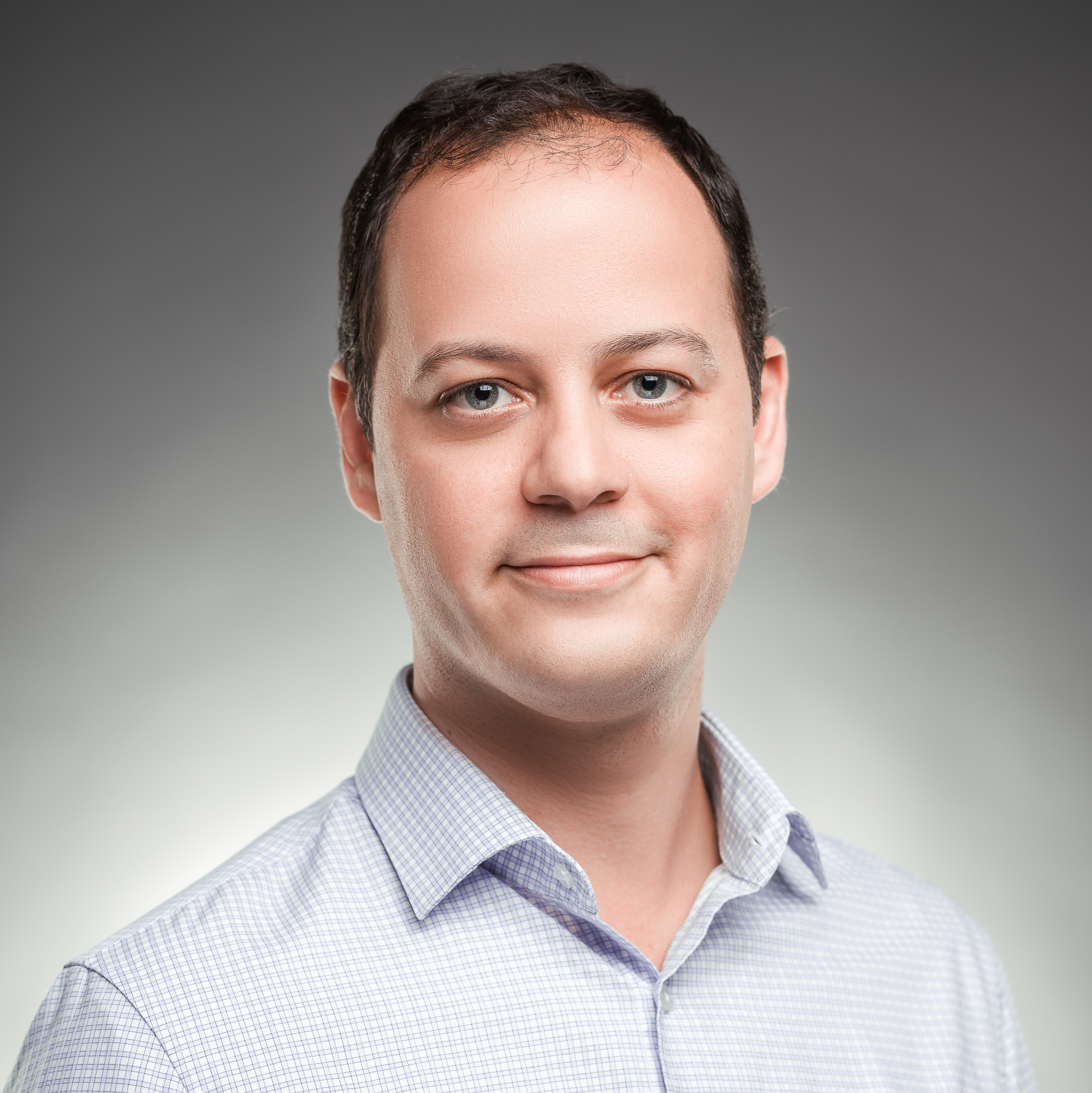
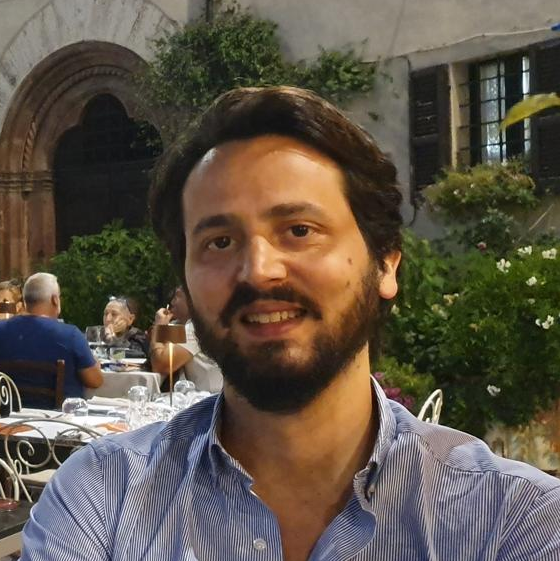
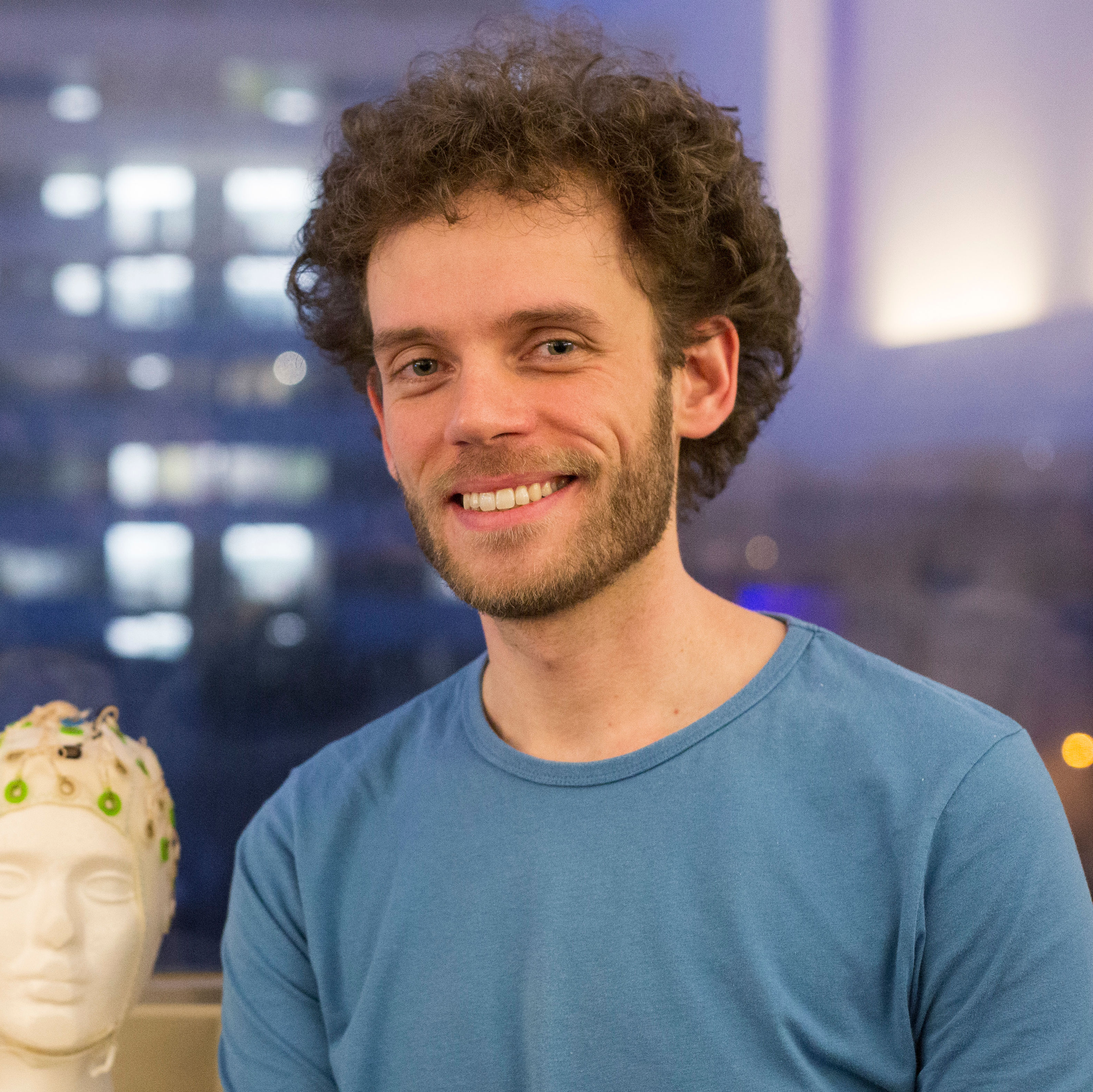
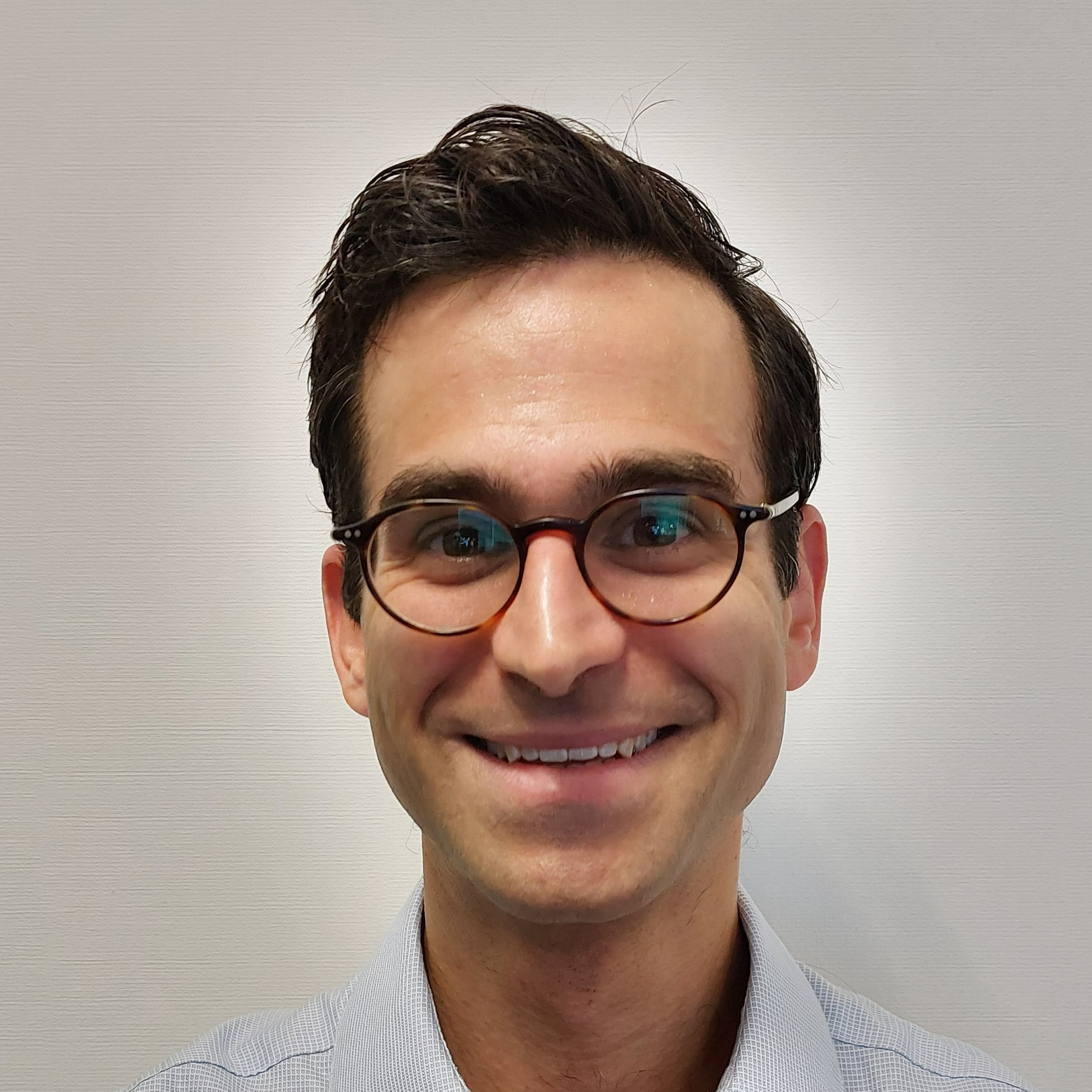
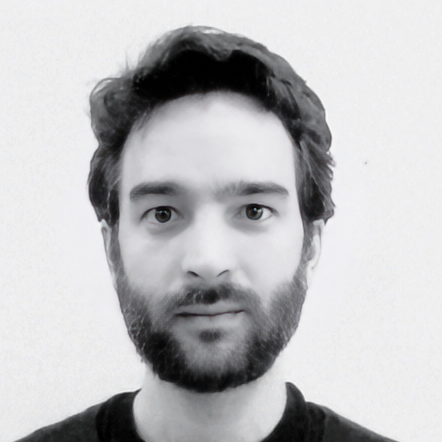
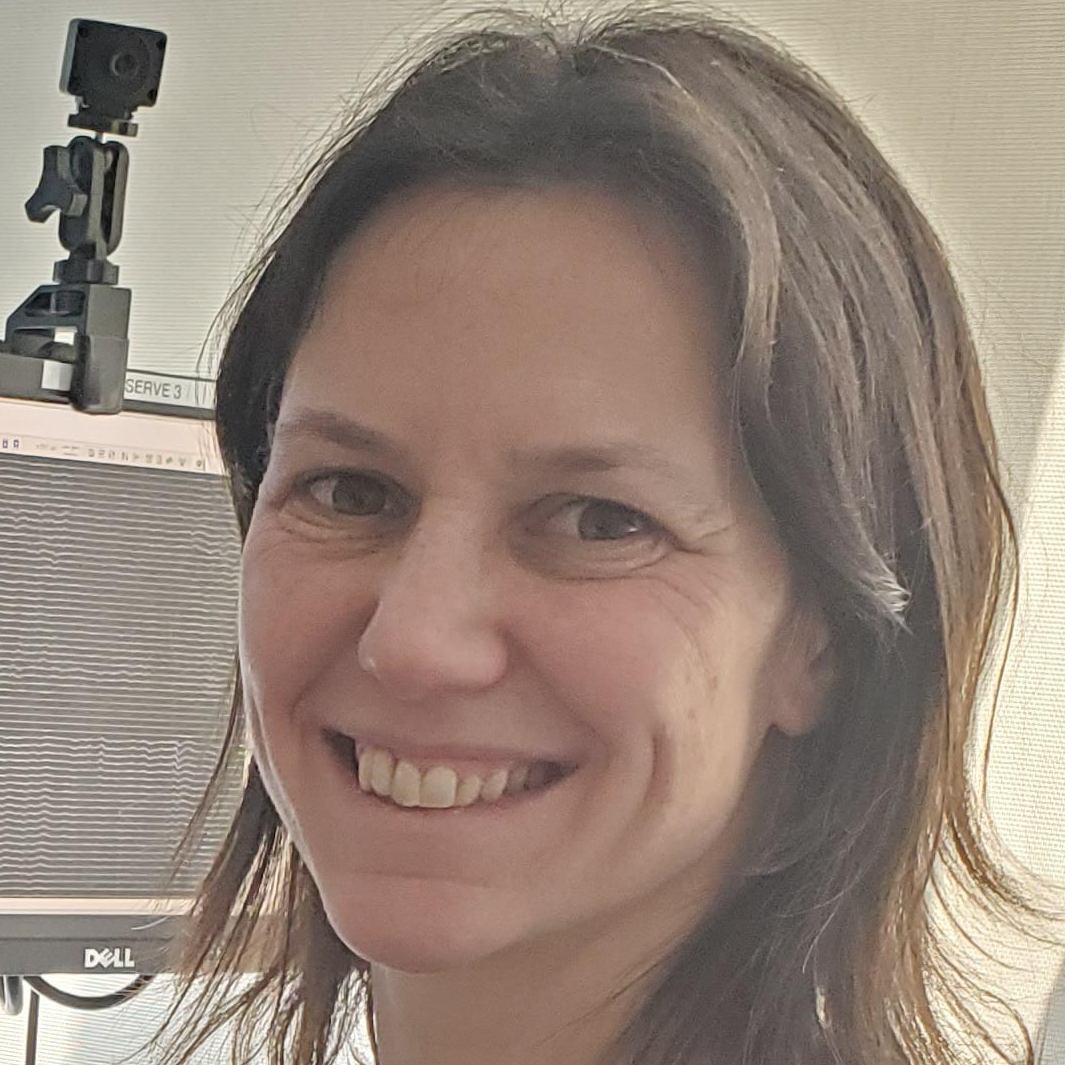
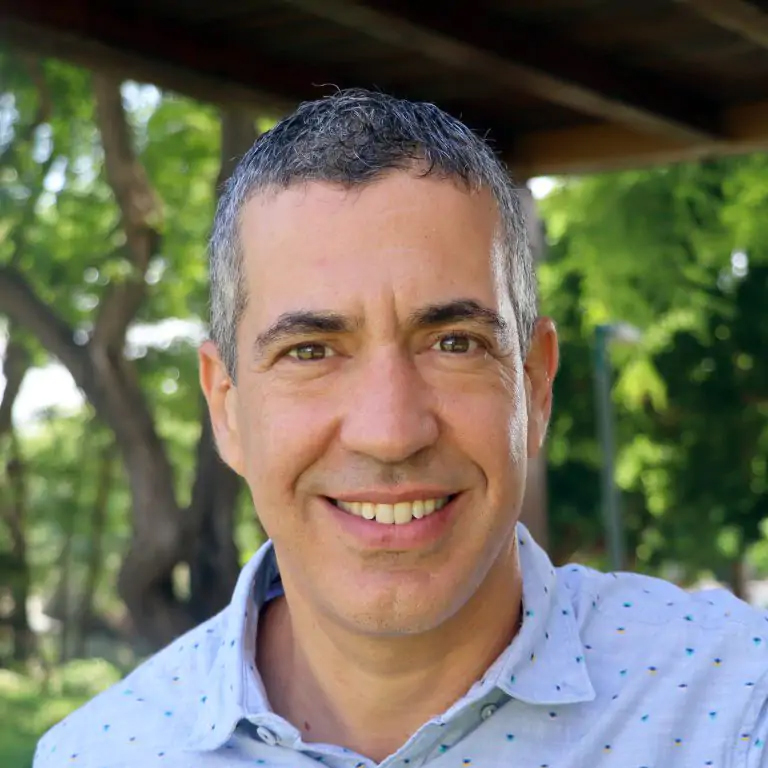
SPEAKERS

– DAY 1 –
April the 1st

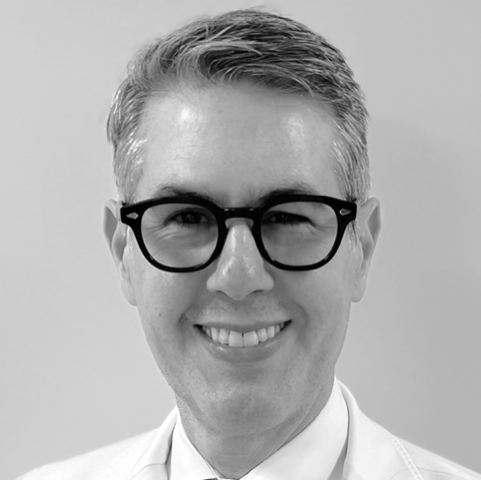
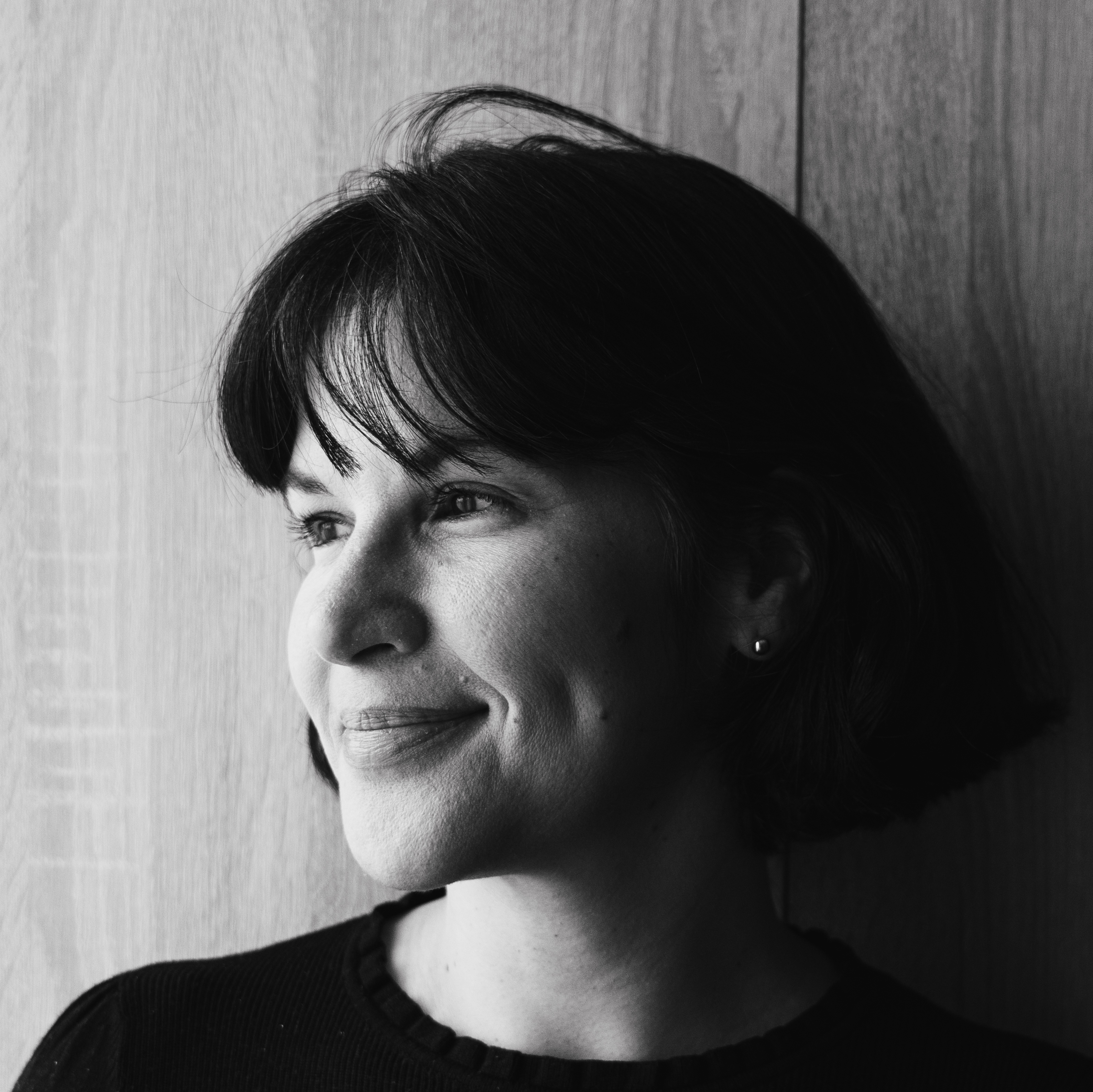
Marcello Massimini, was trained as a Medical Doctor, received a PhD in Neurophysiology and is currently Professor of Physiology at the University of Milan and fellow of the Canadian Institute of Advanced Research. He worked at Laval University (CA) in the lab of Mircea Steriade and at the University of Wisconsin (USA) with Giulio Tononi. Spanning from intracranial recordings, EEG and TMS-EEG in humans, his whole research activity has been devoted to understanding the consequences of brain injury and what changes in cortical circuits when consciousness fades and recovers.

MARCELLO
MASSIMINI

University of Milan
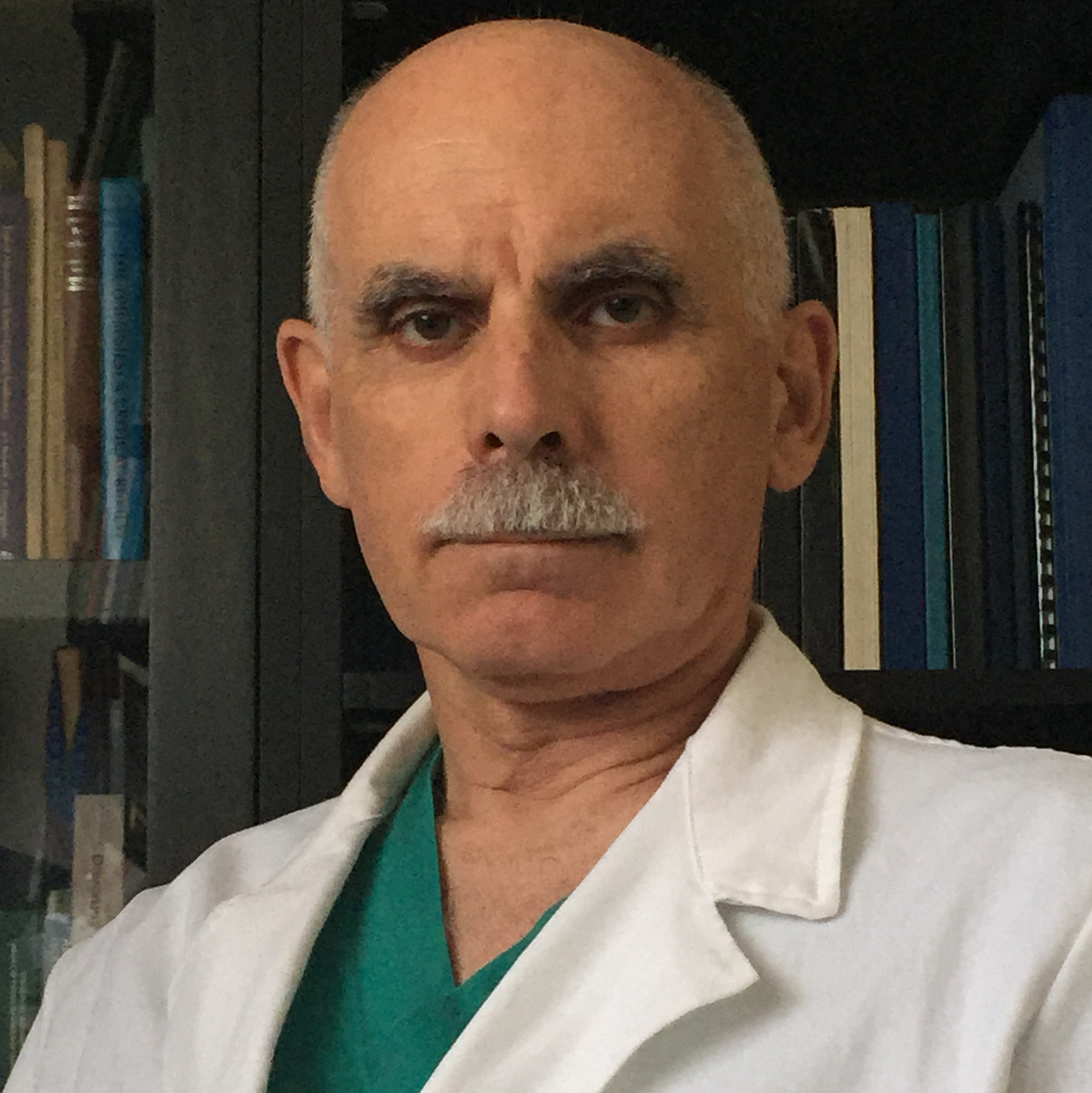
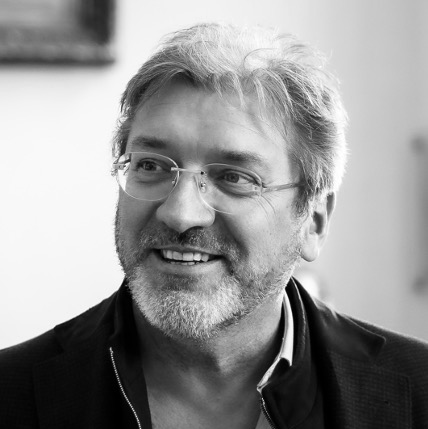
Pr. Fabrice Bartolomei, a neurologist at Aix Marseille University, leads the Epileptology Dept. at La Timone Hospital and co-leads DYNAMAP (INSERM U1106). He specializes in epilepsy, SEEG, and drug-resistant epilepsy surgery. His work on the "epileptogenic network" has transformed diagnosis and treatment. He integrates SEEG, imaging, and computational models to improve care. A global expert, he trains clinicians, influences epilepsy centers, and collaborates internationally. A frequent speaker, mentor, and award recipient, he has significantly advanced epilepsy research and surgical techniques.

FABRICE
BARTOLOMEI

INSERM
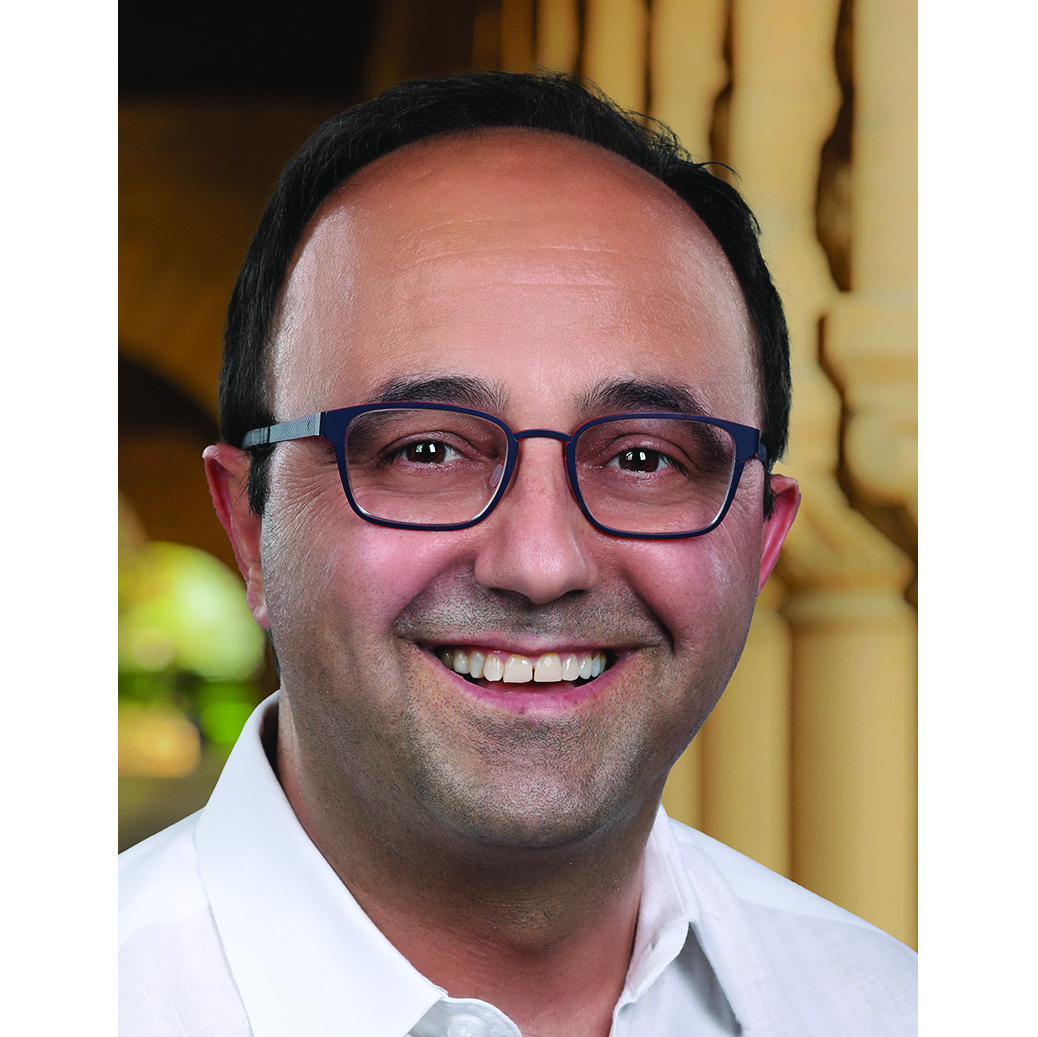
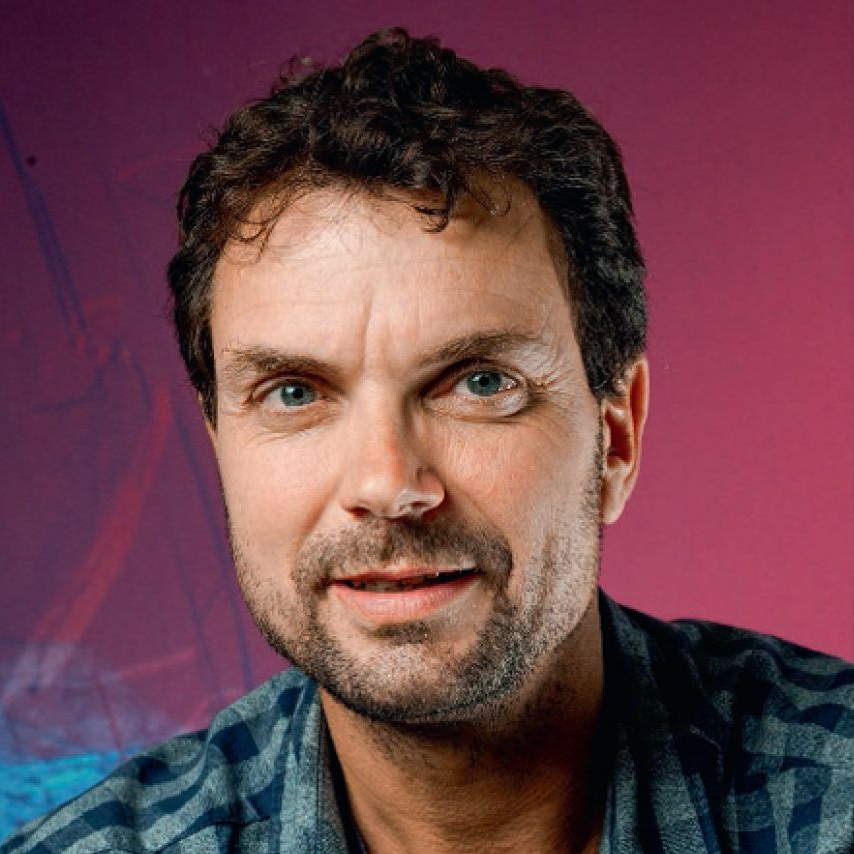
Dr. Jorge Gonzalez-Martinez is a neurosurgeon and researcher specializing in epilepsy surgery and neuromodulation. As a pioneer in advancing minimally invasive techniques, he has significantly contributed to improving seizure localization and surgical outcomes. Dr. Gonzalez-Martinez serves as a professor and director of functional and epilepsy surgery at the University of Pittsburgh, where he leads one of the nation’s top epilepsy surgery programs.

JORGE
GONZALEZ MARTINEZ

University of Pittsburgh
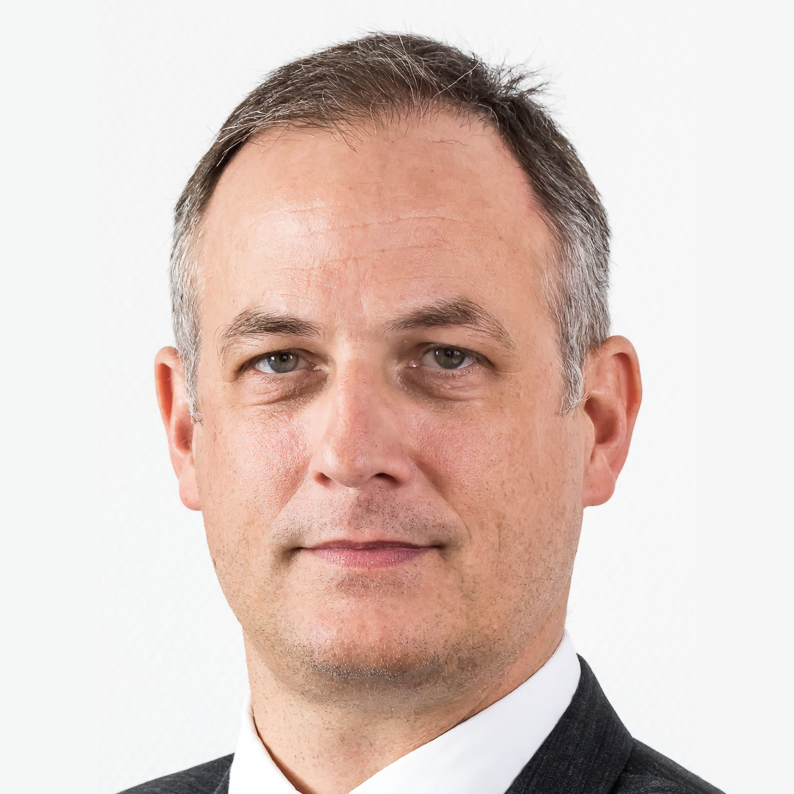
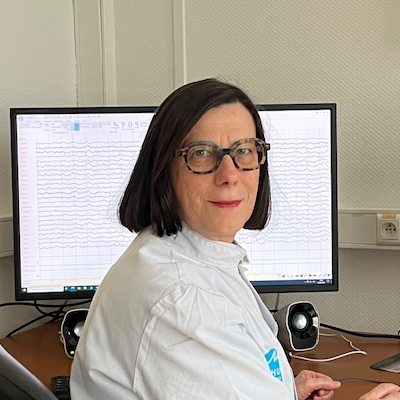
Giorgio Lo Russo earned his Medical Doctor degree at the University of Turin (1977) and specialized in Neurology (1987) and Neurosurgery (1982). He was a researcher at Turin’s Neurosurgery Institute until 1993. Trained in Paris (Hôpital Ste. Anne, 1989-1990) and Grenoble (1991-1994) under Pr. Munari. He helped establish epilepsy surgery programs in Grenoble and Milan. Head of the "C. Munari" Centre for Epilepsy and Parkinson Surgery at Niguarda Hospital until June 2023, he is now retired.

GIORGIO
LO RUSSO

Niguarda Hospital
Dr. Parvizi is a clinical neurologist at Stanford University and directs the Stanford Program for Refractory Epilepsy. He leads the Laboratory of Behavioral and Cognitive Neuroscience (LBCN), studying brain function and behavior. He earned his medical degree at the University of Oslo, completed a PhD at the University of Iowa with Dr. Antonio Damasio and Dr. Gary Van Hoesen, trained at Mayo Clinic and Harvard, and specialized in epilepsy at UCLA. Since 2007, he has worked in Stanford’s Department of Neurology and Neurological Sciences.

JOSEF
PARVIZI

Stanford University

– DAY 2 –
April the 2nd

Olivier David graduated in applied physics at École Normale Supérieure de Cachan and earned a PhD in signal processing applied to neurophysiology at Université Paris-Sud. He is Director of Research at INSERM, leading a group on neurophysiology in refractory neurological and psychiatric disorders at Grenoble Institute of Neuroscience and Aix-Marseille University. His research focuses on brain stimulation and functional networks. Over the last decade, OLivier David has developed a multicenter database of SEEG responses to cortical stimulation, creating neurophysiological atlases of large-scale brain connectivity.

OLIVIER
DAVID

INSERM
Eleonora Bartoli earned a B.Sc. in Experimental Psychology and an M.Sc. in Cognitive Neuroscience from San Raffaele Vita-Salute University in Milano, followed by a Ph.D. in Robotics, Cognition, and Interaction Technologies from the Istituto Italiano di Tecnologia and Università degli Studi di Genova. She began postdoctoral training at the University of Texas Health, Houston. Now a Tenure-Track Assistant Professor in Neurosurgery at Baylor College of Medicine, her research employs intracranial recordings and brain stimulation to study electrophysiology and cognitive control, aiming to enhance neuromodulation techniques for mental health applications.

ELEONORA
BARTOLI

Baylor College
Dr. Firas Fahoum is a neurologist and epileptologist, directing the Epilepsy and EEG unit at Tel Aviv Sourasky Medical Center. He is also a senior lecturer in neurology and neurosurgery at Tel Aviv University. Clinically, he specializes in treating patients with epilepsy, particularly drug-resistant cases. His research focuses on identifying electrophysiological biomarkers for drug resistance, functional neuroimaging of epileptic networks, and neurostimulation for epilepsy. Dr. Fahoum is dedicated to advancing epilepsy care through innovative clinical and research approaches, improving diagnostic and treatment strategies for patients with complex epilepsy conditions.

FIRAS
FAHOUM

Sourasky Medical Center
Andrea Pigorini, PhD in Physiology (University of Milan, 2013), is an Assistant Professor at the Department of Biomedical, Surgical, and Dental Sciences, University of Milan. His research focuses on scalp and intracerebral EEG in treatment-resistant epilepsy patients, pioneering this approach. He studies neural dynamics underlying consciousness, particularly during Non-REM sleep. A former member of the Human Brain Project, he is currently PI for the University of Milan in EBRAINS and EBRAINS Italy. His interests include neurophysiology, brain stimulation, and epilepsy research. He has 44 peer-reviewed publications, ~1,700 citations, and an H-index of 23.

ANDREA
PIGORINI

Univeristy of Milan
Nicolas Roehri holds a PhD in Neuroscience from Aix-Marseille University (2018), where he studied epileptic markers in intracranial EEG. In 2022, he received a Swiss National Science Foundation grant to establish his research group at the University of Geneva. His work focuses on developing and applying advanced signal processing techniques for analyzing human electrophysiological recordings, including invasive (iEEG) and non-invasive (EEG and MEG) methods, with a particular emphasis on epilepsy.

NICOLAS
ROEHRI

University of Geneve
Davide Giampiccolo is a neurosurgeon at the National Hospital for Neurology and Neurosurgery, a PhD candidate, and Principal Investigator at UCL. Mentored by Francesco Sala and Hugues Duffau, he applies intraoperative neurophysiology to preserve white matter networks. He studied white matter anatomy under Marco Catani and co-edited MRI Neuroanatomy with John S. Duncan. Recognized by the American Academy of Neurological Surgery and others, he has received awards for research on asleep language monitoring and white matter stimulation with SEEG.

DAVIDE
GIAMPICCOLO

University College of London
Stefania Coelli earned her PhD in Bioengineering from Politecnico di Milano in 2019 and conducted postdoctoral research at DEIB’s B3Lab. In 2021, she was a visiting postdoc at the Institute of Systems Neuroscience in Marseille, supported by the Fondazione CRUI’s ‘GO for IT’ project. Since 2023, she has been an Assistant Professor at Politecnico di Milano (MUSA PNRR). Her research at B3Lab focuses on physiological signals to study the central and autonomic nervous systems, applying novel analysis techniques to model brain network dynamics.

STEFANIA
COELLI

Polytechnic of Milan
Francesco Cardinale, MD, is a neurosurgeon specializing in epilepsy surgery at Niguarda Hospital, Milan. His work focuses on stereotactic implantation of intracerebral electrodes for SEEG monitoring and brain resective surgery. He has refined Talairach’s SEEG methodology using advanced technologies, developed 3D CBCT DSA, and integrated the Neuromate robotic assistant into the surgical workflow. His research centers on neuroimaging for surgical planning, optimizing electrode implantation, and multimodal analysis of SEEG recordings. He also studied deep brain stimulation and holds a Master’s in Biomedical Statistics, applying advanced modeling techniques to neurosurgical research.

FRANCESCO
CARDINALE

Niguarda Hospital
Ivana Sartori, MD, is a neurologist and neurophysiologist at the Epilepsy Surgery Centre “Claudio Munari,” Niguarda Hospital, Milan. Trained at the Mondino Neurological Institute in Pavia, she specialized in evoked potentials, sleep medicine, and pre-surgical video-EEG monitoring. A certified sleep medicine expert, she has collaborated with the CNR and the University of Parma since 2010 and the University of Milan since 2019 on Stereo-EEG research. Since 2020, she has been involved in intraoperative epilepsy monitoring and advanced training courses.

IVANA
SARTORI

Niguarda Hospital
Laurent Sheybani is a neurologist specializied in epileptology and sleep medicine. He earned a PhD in neuroscience from the University of Geneva, studying epileptic networks in a mouse model of temporal lobe epilepsy. Now a postdoctoral fellow at University College London, he researches intracranial recordings in focal epilepsy and how sleep-related electrophysiological entities influence epileptic activity. He co-founded the International League Against Epilepsy’s podcast and is an Associate Editor at Brain Communications, handling epilepsy and sleep research papers.

LAURENT
SHEYBANI

University College of London
Ezequiel Mikulan is researcher in the field of neuroscience, currently serving as a Research Fellow at the University of Milan in Italy. Born in Argentina, he holds a PhD in Medicine from Favaloro University and a graduate degree in Psychology from the University of Buenos Aires. He has authored numerous publications on topics like intracerebral stimulation, EEG source localization, epilepsy, brain connectivity and sleep. His interests span from the development of new methodologies to bridge invasive and non-invasive techniques to the study of consciousness and sleep.

EZEQUIEL
MIKULAN

University of Milan
Rina Zelmann, Ph.D., is an Instructor of Neurology at MGH and Harvard Medical School. Her research explores neural dynamics across brain states, developing analytical tools and closed-loop stimulation systems. Funded by CURE Epilepsy, AES, and NIH, she studies stimulation-evoked epilepsy biomarkers, invasive vs. non-invasive methods, brain-state modulation of stimulation, and neuromodulation's effect on sleep. A biomedical and electrical engineer, she has co-authored 43 peer-reviewed papers with over 5,000 citations.

RINA
ZELMANN

Massachusset General Hospital
Prof. Nir is an investigator at Tel Aviv University and Tel Aviv Sourasky Medical Center. He earned an M.Sc. in Computer Science, a Ph.D. in neurobiology (with Rafael Malach), and completed a postdoc at the University of Wisconsin-Madison with Prof. Giulio Tononi and Chiara Cirelli. Since 2012, his lab has studied sleep, cognition, and neuromodulation, particularly in epilepsy patients with depth electrodes. He has published 57 papers, cited over 10,000 times, in top journals and received multiple awards, including an ERC grant on sleep and memory.

YUVAL
NIR

Tel Aviv University
Lino Nobili, MD, PhD, is a Full Professor of Child Neuropsychiatry at the University of Genoa and Head of the Child Neuropsychiatry Unit at Gaslini Pediatric Hospital. He coordinates the university's Neuroscience PhD program and specializes in clinical neurophysiology, epilepsy, and sleep disorders. With over 30 years of experience, he has advanced research on sleep-epilepsy interactions, using intracerebral and high-density EEG. His work has clarified local sleep regulation and parasomnias. He has over 300 publications and an H-index of 63.

LINO
NOBILI

University of Genoa

– DAY 3 –
April the 3rd

Pietro Avanzini is a researcher at the National Research Council, Institute of Neuroscience, specializing in System and Computational Neuroscience. His work focuses on the human mirror mechanism, neural signal processing, and EEG. Since 2009, he has studied cortical motor rhythms and motor system activation during passive action observation. His current research explores action observation as a neurorehabilitation tool for cerebral palsy, stroke, and trauma patients. Collaborating with the Claudio Munari Epilepsy Surgery Center, he investigates intracerebral EEG, aiming to identify cortical correlates of somatosensory perceptual awarness

PIETRO
AVANZINI

CNR
Dr. Tal Seidel Malkinson is a cognitive neuroscientist and clinical neuropsychologist specializing in visual perception, attention, and their neural mechanisms. She is an Excellence Chair Junior Professor at Université de Lorraine, leading research within the Clinical Research in Neuroscience team. She holds a PhD from the Hebrew University of Jerusalem and conducted postdoctoral research at the Paris Brain Institute using intracerebral recordings to study attention. She integrates iEEG, MEG, MRI, and psychophysics in her research. Passionate about gender equity, she promotes inclusive academic practices and investigates biases in publishing and leadership.

TAL
SEIDEL MALKINSON

University of Lorraine
Ursula Górska is a neuroscientist studying neural mechanisms of consciousness, focusing on disorders of consciousness and epilepsy. Her academic background spans Biophysics, Neurobiology, and Cognitive Science, with expertise in neuroimaging techniques such as patch-clamp, TMS-hdEEG, and MEG. During her PhD at the Donders Institute, she investigated neuronal signatures of residual consciousness using recordings from the mouse auditory cortex and EEG in humans. Now a postdoctoral researcher at the University of Wisconsin-Madison, she studies consciousness during epileptic seizures and contributes to the Cogitate adversarial collaboration.

URSULA
GORSKA

University of Wisconsin
Dr. Yuranny Cabral-Calderin is researcher at the Max Planck Institute for Empirical Aesthetics in the Research Group of Prof. Lucia Melloni. She holds a degree in Psychology from the University of Havana, Cuba, and pursued further studies in Cognitive and Systems Neuroscience at the Cuban Neuroscience Center. She earned her PhD in Systems Neuroscience from the University of Göttingen, Germany in 2016. Dr. Cabral-Calderin's research focuses on the neural mechanisms underlying perception, consciousness, and cognition, using a multimodal approach that combines neuroimaging techniques—including fMRI, EEG, MEG, and intracranial recordings—with noninvasive brain stimulation.

YURANNY
CABRAL-CALDERIN

Max Planck
Viktor Jirsa is Director of the Inserm Institut de Neurosciences des Systèmes at Aix-Marseille-Université. With a PhD in Theoretical Physics (1996), he has advanced Theoretical Neuroscience through large-scale brain network models. His work underpins network science in brain medicine and personalized virtual brain models for epilepsy. He leads the EPINOV clinical trial and serves as Chief Science Officer of EBRAINS and Coordinator of the Virtual Brain Twin consortium. Jirsa has received multiple international awards, including the first HBP Innovation Prize (2021), and has published over 180 scientific articles.

VIKTOR
JIRSA

Aix-Marseille University
Jean-Philippe Lachaux, 54, is a Research Director at INSERM and co-leader of the EDUWELL team at the Lyon Neuroscience Research Center. He has coauthored over 90 neuroscience articles and led major national and European grants. Since 2014, he has contributed to the Human Brain Project and EBRAINS, promoting access to invasive electrophysiology data. He pioneered intracranial EEG for millisecond-level neural tracking, advancing research on large-scale cortical networks. He also developed a naturalistic adaptation and professional software for iEEG analysis and visualization.

JEAN-PHILIPPE
LACHAUX

INSERM
Dr. Lorella Minotti is a neurologist and neurophysiologist at the Grenoble-Alpes University Hospital (France). She obtained her MD at the University of Milan (Italy) and started her training in clinical epileptology during her residency in Milan and Bologna University. She joined the Grenoble epilepsy team in 1995, under the supervision of Pr Claudio Munari. Since then she is involved in the epilepsy surgery program. Her research interest is focused on the characterization of the epileptogenic networks during SEEG, and the development of DBS therapy in difficult-to-treat epilepsy. She is the current head of the Neurology Department at the Grenoble-Alpes University Hospital.

LORELLA
MINOTTI

Grenoble-Alpes University Hospital

– DAY 4 –
April the 4th

Prof Dr Christian Keysers is a social neuroscientist at the Netherlands Institute for Neuroscience, and full professor for Social Neuroscience at the University of Amsterdam. His work combines rodent and human studies to understand how the brain makes us empathic and prosocial. His work was cited >39’000 times. He is an ERC laureate, member of the Academia Europaea, Fellow of the Association for Psychological Science and authored of the award-winning book The Empathic Brain.

CHRISTIAN
KEYSERS

Netherland Institute of Neuroscience
Florian Mormann studied physics and medicine at the Universities of Karlsruhe, Bonn, and Cologne and obtained doctorate degrees in both fields. After a postdoc term the California Institute of Technology and the University of California Los Angeles with Dr. Christof Koch and Dr. Itzhal Fried, he returned to Bonn where he became Lichtenberg Professor of Cognitive and Clinical Neurophysiology.

FLORIAN
MORMANN

University of Bonn
Julien Bastin is a cognitive neuroscience researcher leading Inserm’s Brain, Behavior, and Neuromodulation team. He studies motivation and decision-making using depth electrodes in neuro-psychiatric patients. His team combines cognitive paradigms, behavioral data, computational modeling, and invasive recordings to conduct multidisciplinary projects. Clinically, they develop new diagnostic and treatment tools. In epilepsy, they aim to anticipate post-surgical cognitive impairments. In psychiatry, they explore brain stimulation to better alleviate symptoms of treatment-resistant obsessive-compulsive disorder (OCD).

JULIAN
BASTIN

Grenoble Institut des Neurosciences
Fausto Caruana is a cognitive neuroscientist at the CNR Institute of Neuroscience. He studies the neural foundations of motor and emotional behaviors, focusing on the mirror neuron system. His research, based on intracranial recordings and electrical stimulation, spans neurology, ethology, and philosophy of mind. Trained in electrophysiology in non-human primates, he transitioned to human neuroscience through collaboration with the Claudio Munari Epilepsy Surgery Center. He has lectured internationally on neuroscience and theory and authored four books on motor cognition and affective behavior.

FAUSTO
CARUANA

CNR
Maria Del Vecchio is a Researcher at the Institute of Neuroscience of the National Research Council of Italy (IN-CNR) in Parma. She obtained an M.Sc. in Biomedical Engineering from the Università degli Studi di Roma Tor Vergata and a Ph.D. in Neuroscience from the Università degli Studi di Modena e Reggio Emilia, investigating higher-order functions in somatosensory cortices with invasive recordings. She adopts a multidisciplinary approach, primarily focused on intracranial recordings and scalp electroencephalography, aimed at studying the neural mechanisms underlying motor behavior and conscious perception.

MARIA
DEL VECCHIO

CNR
Dr. Ioana Mindruta is an Associate Professor of Neurology at “Carol Davila” University of Medicine and Pharmacy, Bucharest. She heads the Epilepsy Monitoring Unit at the University Hospital, coordinates the National Program for Drug-Resistant Epilepsy, and is Vice President of the Romanian Neurophysiology Society. Trained in pre-surgical evaluation in Grenoble in 2010, she launched Romania’s SEEG program in 2012. Over the past 12 years, she has built a team focused on functional brain mapping, brain connectivity, and predictive signal analysis for post-surgical outcomes.

IOANA
MINDRUTA

University of Bucharest

This website uses cookies to enhance your browsing experience and ensure the site functions properly. By continuing to use this site, you acknowledge and accept our use of cookies.
Accept All Accept Required Only